
Introduction
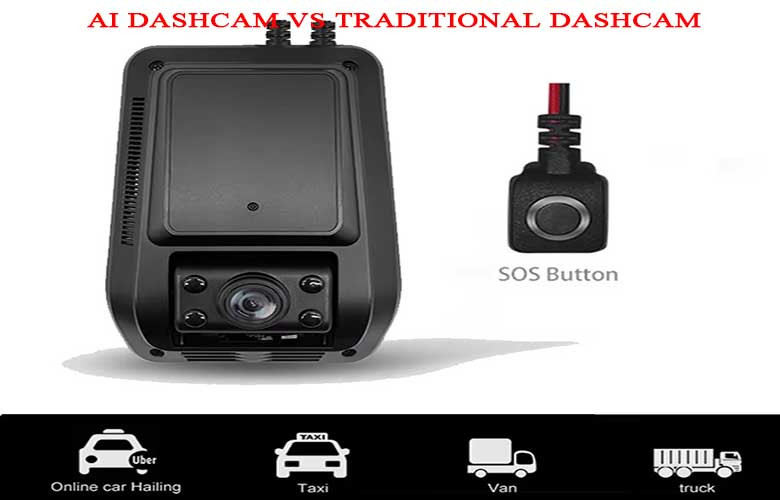
For fleet managers, installing dashcams has become a standard practice to monitor driving behavior, record road incidents and protect business interests. When shopping around, you will mainly encounter two types: AI dashcam and traditional dashcam.
At first glance, both devices capture on-road videos and serve basic recording purposes. However, they differ greatly in core functions, safety capabilities and overall value for commercial fleets. A wrong choice may leave your fleet exposed to hidden safety risks or waste unnecessary operational costs. This article breaks down their key differences, pros and cons, to help you decide which one works best for your fleet vehicles.
What Is a Traditional Dashcam?
A traditional dashcam, also known as a regular dashcam, is a basic video recording device originally designed for private cars and later widely used in small fleets. Its core function is limited to passive video and audio recording.
Most traditional dashcams feature high-definition video capture, loop recording and simple parking monitoring. They run on basic hardware without intelligent analysis modules. After recording footage, managers have to manually check videos one by one to find unsafe driving behavior or accident clues.
These devices are low-priced, easy to install and operate. They are sufficient for simple video evidence collection, but lack active intervention and intelligent management capabilities. For large and medium-sized commercial fleets with strict safety requirements, traditional dashcams can hardly meet refined management demands.
What Is an AI Dashcam?
An AI dashcam is an upgraded intelligent vehicle recording device integrated with artificial vision algorithms, ADAS and DMS technologies. Beyond basic video recording, it can actively identify, analyze and warn against risky driving behaviors in real time.
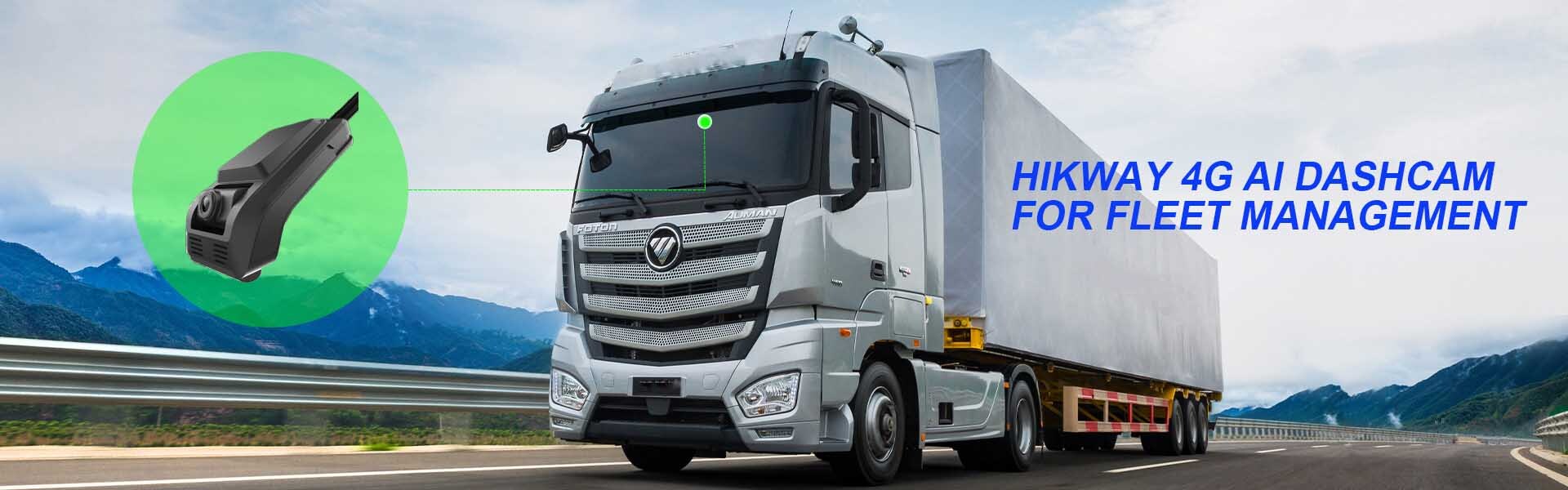
Built-in AI chips and high-precision sensors enable it to detect a wide range of dangers: driver fatigue, distracted driving, phone use while driving, lane departure, forward collision risks and speeding. Once abnormal behavior is detected, the device sends instant voice alerts to remind drivers to correct actions immediately.
Most fleet-grade AI dashcams also support 4G remote transmission, cloud platform linkage and real-time data upload. Fleet supervisors can remotely view live footage, check alarm records and generate driving reports online. It turns passive video recording into active safety prevention, which is a huge upgrade for fleet safety management.
Core Differences: AI Dashcam vs Traditional Dashcam
1. Functional Orientation: Passive Recording vs Active Safety Warning
Traditional dashcams only record everything that happens on the road. They can only provide video evidence after accidents or violations occur, playing a remedial role.
AI dashcams focus on prevention first. The AI system monitors drivers and road conditions 24/7. Real-time voice alarms effectively stop unsafe driving before accidents happen, greatly reducing the accident rate of the whole fleet. This is the most essential gap between the two products.
2. Driving Behavior Monitoring
With traditional dashcams, managers have to spend plenty of time reviewing massive video files to spot bad driving habits. The whole process is time-consuming and inefficient.
AI dashcams automatically mark all risky behaviors and synchronize data to the cloud management platform. All violation records are sorted clearly, helping managers carry out targeted training and assessment for drivers. It realizes automated fleet supervision.
3. Remote Management & Connectivity
Most basic traditional dashcams work offline. To get video files, you need to take down the device or use a memory card for manual data export, which is not friendly for distributed fleets.
Professional AI dashcams support 4G/5G network connection. Live video, alarm messages and historical tracks can be accessed remotely by mobile surveillance platform anytime and anywhere. Combined with a cloud fleet system, it realizes unified management of hundreds or thousands of vehicles across regions.
4. Hardware & Environmental Adaptability
Entry-level traditional dashcams are mostly made for private cars. Their heat dissipation and shock resistance are average, and they may work unstably on long-running commercial vehicles.
Fleet AI dashcams adopt industrial-grade components. They are optimized for long hours of operation, vehicle vibration and temperature changes, ensuring stable performance in complex working environments such as trucks, buses and engineering vehicles.
5. Cost & Return on Investment
Traditional dashcams have a low upfront purchase cost. But they cannot reduce accident risks fundamentally. Once traffic accidents happen, the fleet will face compensation losses, vehicle maintenance costs and business downtime losses.
AI dashcams cost more initially, but they cut accident rates significantly. Lower accident compensation, reduced vehicle wear and improved operational efficiency will bring long-term cost savings. For commercial fleets, the return on investment of AI dashcams is much higher in the long run.
Which One Should You Choose for Your Fleet?
Choose a Traditional Dashcam If:
- You run a small fleet with only a few vehicles and have a limited budget.
- You only need simple video recording for accident evidence collection, without high requirements for active safety management.
- Your vehicles travel on fixed short routes, and on-site management is convenient.
Choose an AI Dashcam If:
- You manage medium or large fleets including trucks, buses, logistics vehicles and construction vehicles.
- Safety is your top priority, and you want to reduce traffic accidents and driver violations effectively.
- You need remote online management, unified data statistics and standardized driver assessment.
- You pursue long-term operational stability and want to lower overall fleet operating costs.
FAQs
Q1: Can AI dashcams replace traditional dashcams completely?
Yes, for commercial fleets. An AI dashcam retains all recording functions of traditional models while adding intelligent safety features. It is an all-in-one solution for modern fleet management.
Q2: Are AI dashcams complicated to install and use?
No. The installation steps are similar to regular dashcams. The voice alarm works automatically without manual operation, and the cloud platform has a simple interface for easy management.
Q3: Do all AI dashcams support remote viewing?
Not all consumer-grade models do. You need to pick fleet-specific AI dashcams with 4G module and cloud platform access for remote monitoring functions.
Conclusion
Traditional dashcams are cheap and practical for basic video recording, but they can only solve problems after incidents. AI dashcams lead the trend of intelligent fleet management, combining recording, AI analysis, active warning and remote management into one system.
For commercial fleets that value safety, efficiency and long-term benefits, AI dashcams are undoubtedly the better choice. It not only safeguards drivers and vehicles, but also helps enterprises achieve digital and refined fleet management. If you are upgrading your vehicle monitoring system, investing in AI dashcams will bring tangible value to your business.