

Commercial fleets are increasingly adopting 4G GPS dashcams to improve vehicle safety, reduce accidents, monitor drivers and optimize fleet management. Whether you operate trucks, buses, delivery vans or construction vehicles, choosing the right mobile surveillance system can significantly improve operational efficiency and security.
In this guide, we explain how to choose the best 4G GPS dashcam for commercial vehicles and what features fleet managers should prioritize.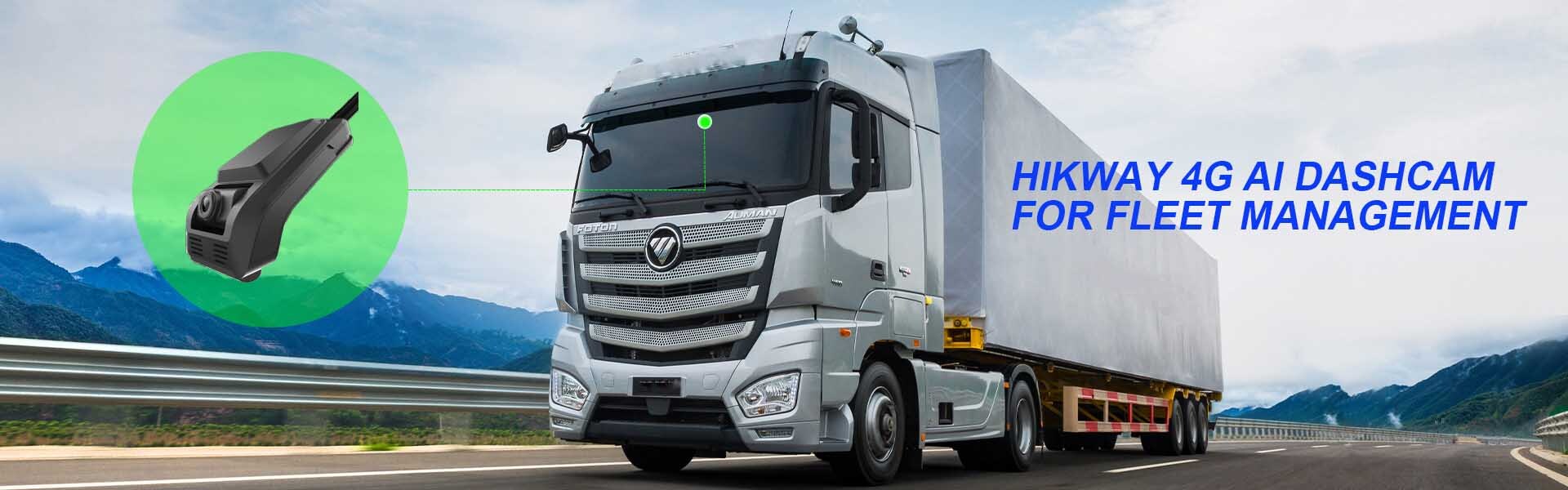
Why Commercial Fleets Need 4G GPS Dashcams
Traditional dash cameras only record local footage and provide limited functionality. Modern 4G GPS dashcams combine video recording, GPS tracking and real-time remote monitoring into a single intelligent fleet surveillance solution.
A professional vehicle dashcam system can help:
- Reduce accident liability
- Improve driver safety
- Monitor fleet operations remotely
- Prevent insurance fraud
- Track vehicle routes and locations
- Enhance passenger and cargo security
Key Features to Look for in a 4G GPS Dashcam
1. Real-Time 4G Remote Monitoring
One of the most important features is 4G connectivity. A 4G dashcam allows fleet managers to remotely access live video, playback recordings and receive alerts from vehicles in real time.
This feature is especially important for:
- Logistics companies
- School bus operators
- Public transportation fleets
- Long-distance trucking companies
2. Accurate GPS Tracking
Integrated GPS tracking enables fleet managers to monitor vehicle routes, driving behavior and location history. GPS data can also help improve dispatch efficiency and reduce fuel costs.
Look for systems that support:
- Real-time vehicle tracking
- Route playback
- Geo-fencing alerts
- Speed monitoring
3. Multi-Channel Camera Support
Commercial vehicles often require more than one camera. Trucks and buses may need front-view, rear-view, side-view and interior cameras for full surveillance coverage.
Choose a mobile DVR or mobile NVR system that supports:
- 4CH dashcam systems
- 8CH mobile DVR systems
- 16CH fleet surveillance systems
4. H.265 Video Compression
H.265 compression technology reduces storage requirements and mobile bandwidth usage while maintaining high-quality video recording.
This is particularly important for fleets using 4G remote streaming because it helps reduce monthly data costs.
5. Industrial-Grade Reliability
Commercial vehicle environments are challenging. A professional fleet dashcam should support:
- Anti-vibration protection
- Wide voltage input (8V–36V)
- High-temperature resistance
- Stable Linux operating systems
Best 4G GPS Dashcam Applications
4G GPS dashcams are widely used in many transportation industries:
- Truck fleet monitoring
- School bus surveillance systems
- Public transportation security
- Logistics and delivery management
- Construction vehicle monitoring
- Mining vehicle surveillance
Mobile DVR vs Traditional Dashcam
| Feature | Traditional Dashcam | 4G GPS Mobile DVR |
|---|---|---|
| Remote Monitoring | No | Yes |
| GPS Tracking | Limited | Advanced Real-Time GPS |
| Multiple Cameras | Usually 1-2 Channels | Up to 16 Channels |
| Fleet Management | No | Yes |
| Industrial Reliability | Consumer Grade | Industrial Grade |
How to Choose the Right System for Your Fleet
Before purchasing a fleet dashcam solution, consider the following:
Fleet Size
Small fleets may only require 4-channel systems, while large transportation companies may need 8CH or 16CH mobile NVR systems.
Vehicle Type
Different vehicles require different camera configurations. For example:
- Buses often require interior passenger cameras
- Trucks may need side-view blind spot monitoring
- Delivery vehicles may require cargo monitoring
Remote Monitoring Requirements
If your fleet operates across multiple cities or regions, choosing a 4G-enabled remote surveillance platform is essential.
Storage Requirements
Long-distance fleets often require dual HDD storage systems to support extended recording periods.
Future Trends in Fleet Surveillance
Modern commercial fleet surveillance systems are evolving rapidly with AI technology. Many advanced mobile DVR systems now support:
- ADAS (Advanced Driver Assistance Systems)
- DMS (Driver Monitoring Systems)
- Fatigue detection
- Collision warning systems
- Cloud fleet management platforms
These technologies help transportation companies improve road safety and reduce operational risks.
Conclusion
Choosing the right 4G GPS dashcam for commercial vehicles is critical for improving fleet safety, operational efficiency and remote monitoring capabilities.
A professional mobile DVR or mobile NVR solution with 4G connectivity, GPS tracking and multi-channel recording can provide long-term value for transportation companies, logistics fleets and commercial vehicle operators.
As fleet surveillance technology continues to evolve, investing in a reliable and scalable mobile video monitoring system is becoming essential for modern fleet management.
Frequently Asked Questions
What is a 4G GPS dashcam?
A 4G GPS dashcam is a vehicle surveillance system that combines video recording, GPS tracking and remote monitoring through a 4G network connection.
Why do commercial vehicles need GPS dashcams?
Commercial vehicles use GPS dashcams for driver safety, fleet monitoring, accident recording and operational management.
What is the difference between a dashcam and a mobile DVR?
A traditional dashcam is designed for consumer vehicles, while a mobile DVR supports multiple cameras, remote monitoring and fleet management functions.
How many cameras does a commercial fleet need?
It depends on the vehicle type. Most commercial fleets use between 4 and 16 cameras for complete surveillance coverage.
Can I remotely view fleet cameras?
Yes. 4G-enabled mobile DVR systems support real-time remote viewing and playback from desktop or mobile devices.
Related Fleet Surveillance Solutions