

- Introduction: Why Fleet Dashcam Choice Matters in 2026
Fleet safety and operational cost control remain the top priorities for logistics, transportation, and commercial vehicle businesses in 2026. With rising insurance premiums, growing road accident risks, and increasingly strict transportation compliance standards, equipping commercial fleets with reliable dashcams is no longer optional — it is an essential operational requirement.
For years, traditional dashcams have served as the standard video recording solution for fleet operations. They capture continuous road footage and provide valid evidence for accident investigations and liability disputes. However, as fleet management shifts toward intelligent, data-driven workflows,AI dashcams have emerged as a transformative upgrade for modern commercial fleets.
Most fleet managers face a common dilemma: Are AI dashcams worth the extra investment compared to traditional dashcams for commercial fleets?
In this in-depth comparison guide, we break down AI dashcams and traditional dashcams across critical metrics, including safety functionality, driver monitoring capabilities, upfront and long-term costs, system scalability, and overall ROI. This guide will help you select the perfect dashcam solution based on your fleet size, operational goals, and budget constraints.
- What Is a Traditional Fleet Dashcam?
A traditional fleet dashcam is a basic video recording device built for commercial vehicles. Its core functionality is limited to passive video capture, with no built-in intelligent analysis, real-time risk detection, or alert features.
Traditional dashcams continuously record road footage during vehicle operation and store files on local memory cards or basic cloud storage. They act solely as passive evidence tools for traffic accidents, driving violations, and client disputes. Most entry-level models deliver 1080P resolution, loop recording, and basic night vision, but lack proactive safety monitoring and data analysis capabilities.
Core Pros: Low upfront purchase cost, plug-and-play installation, stable daily operation, and minimal maintenance requirements.
Core Cons: Only passive video recording, no real-time hazard warnings, no automated driver behavior tracking, and time-consuming manual video review processes.
- What Is an AI Fleet Dashcam?
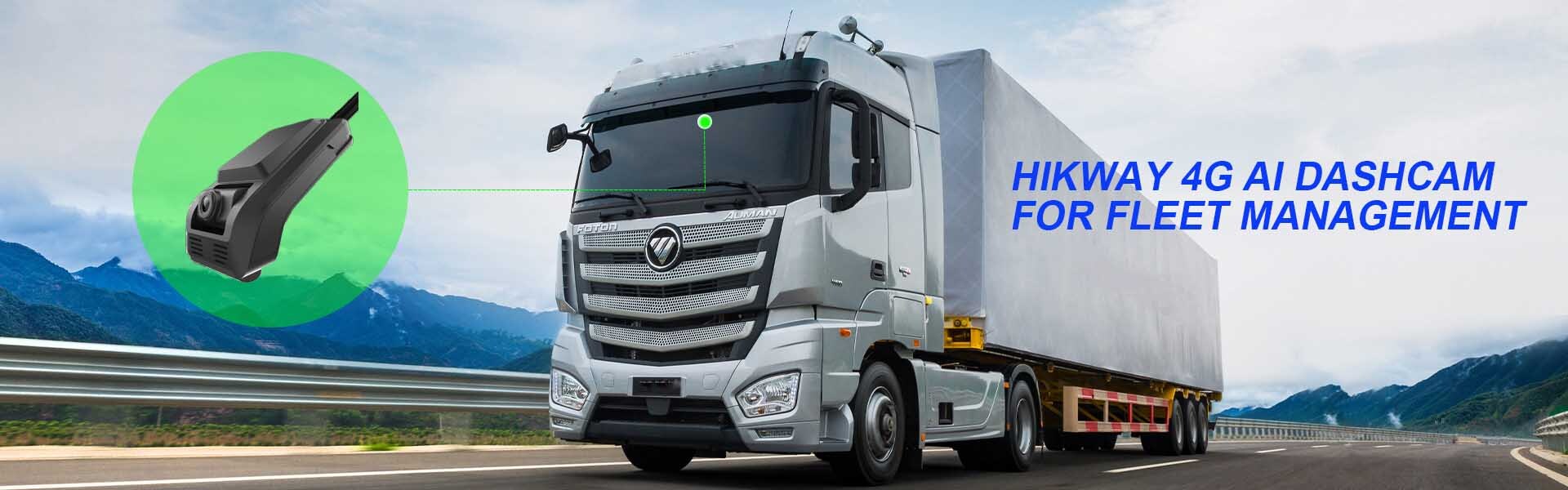 An AI fleet dashcam is a smart video monitoring device integrated with advanced AI vision algorithms, edge computing technology, and professional fleet management systems. Unlike traditional passive recording devices, modern AI dashcams actively identify road hazards, analyze driver behavior patterns, and deliver real-time actionable alerts to prevent accidents before they occur.
Powered by cutting-edge artificial intelligence recognition technology, these smart dashcams detect a wide range of unsafe driving behaviors, including distracted driving, driver fatigue, speeding, abrupt braking, unintended lane departure, and tailgating. Premium fleet-grade models come equipped with dual ADAS (Advanced Driver Assistance Systems) and DSM (Driver Status Monitoring) for comprehensive inside and outside vehicle surveillance.
All captured video footage and AI-generated analytical data sync seamlessly with cloud-based fleet management platforms, enabling fleet managers to conduct remote intelligent supervision, track operational performance, and standardize fleet safety protocols.
Core Pros: Proactive accident prevention, automated driver behavior analysis, real-time safety alerts, data-driven fleet oversight, and superior long-term operational ROI.
Core Cons: Higher upfront hardware investment, requires professional configuration and seamless integration with existing fleet systems.
- AI Dashcam vs Traditional Dashcam: Full Fleet Comparison Table
The side-by-side comparison below covers all critical performance and operational metrics fleet managers prioritize, clearly outlining the key differences between AI dashcams and traditional dashcams for commercial fleet applications:
|
Comparison Dimension |
Traditional Fleet Dashcam |
AI Fleet Dashcam |
|
Working Mode |
Passive video recording only |
Active AI monitoring + real-time recording + data analysis |
|
Safety Risk Prevention |
No proactive prevention; only provides post-incident video evidence |
Supports ADAS & DSM; alerts fatigue, phone use, lane departure, speeding in real time |
|
Driver Behavior Monitoring |
Requires manual video review, high time cost, easy omission |
Automatic identification and statistical analysis of dangerous driving behaviors; generates daily/weekly reports |
|
Upfront Cost |
Low; suitable for fleets with limited short-term budgets |
Higher; increased cost for AI chips and algorithm support |
|
Long-Term ROI |
Low; cannot reduce accident rates or optimize driver management |
High; reduces traffic accidents, insurance claims, and labor management costs |
|
Management Efficiency |
Manual inspection, low efficiency, unable to achieve remote real-time supervision |
Cloud platform synchronization, intelligent data statistics, remote real-time monitoring |
|
Scalability |
Poor; single function, unable to connect with intelligent fleet management systems |
Strong; compatible with MDVR, GPS tracking, and fleet management SaaS systems |
|
Video Evidence Value |
Basic video footage only |
Video + AI risk analysis data, more authoritative for accident responsibility judgment |
- Core Benefits of AI Dashcams for Commercial Fleets
5.1 Reduce Fleet Accident Rates Effectively
The majority of fleet traffic accidents stem from human error, including driver fatigue, phone distraction, and irregular driving maneuvers. While traditional dashcams only record incidents after they occur, AI dashcams deliver pre-emptive risk warnings to drivers in real time. Instant voice and cloud platform alerts correct unsafe driving habits immediately, reducing overall fleet accident rates by 30% to 40% for most mid-sized and large commercial fleets.
5.2 Cut Down Insurance and Maintenance Costs
Fleet accidents result in costly insurance premium hikes, vehicle repair expenses, and cargo loss liabilities. By minimizing accident frequency and severity, AI dashcams help fleets maintain clean safety records and qualify for discounted insurance rates. Additionally, consistent safe driving habits reduce unnecessary vehicle wear and tear, cutting long-term maintenance and operational overhead.
5.3 Improve Fleet Management Efficiency
Manual video review for dozens or hundreds of fleet vehicles consumes significant administrative labor hours and operational resources. AI dashcams eliminate this burden by automatically flagging unsafe driving events, generating detailed performance reports, and pushing critical anomaly alerts to fleet managers. This data-enabled workflow achieves refined, efficient fleet management while drastically reducing manual workload.
5.4 Meet Industry Compliance Requirements
Regulatory safety standards for commercial vehicles continue to tighten across regions and transportation industries. AI dashcams deliver complete, timestamped monitoring records and standardized safety analytics, helping commercial fleets pass official safety inspections effortlessly and avoid costly non-compliance penalties.
- When to Choose Traditional Dashcams vs AI Dashcams?
6.1 Choose Traditional Dashcams If:
- You operate a small fleet (fewer than 10 vehicles) with strict short-term budget limitations
- Your fleet handles low-risk, short-haul operations with minimal long-distance travel
- You only require basic video footage for accident verification and liability dispute resolution
6.2 Choose AI Dashcams If:
- You manage mid-sized to large fleets (10+ vehicles), including semi-trucks, delivery fleets, and passenger commercial vehicles
- Your fleet conducts high-frequency, long-distance transportation with elevated road safety risks
- You aim to reduce accident rates, lower operational costs, and streamline standardized fleet management
- You need actionable fleet data to optimize operational workflows and enhance driver training programs
- Frequently Asked Questions (FAQ)
7.1 Are AI dashcams worth the extra cost for small fleets?
Yes, AI dashcams deliver tangible value for most small fleets despite higher upfront costs. They prevent costly accident compensation claims and rising insurance premiums, delivering a clear return on investment. For small fleets with long-term operational plans, the typical ROI cycle spans 6 to 12 months, pairing consistent cost savings with measurable safety improvements.
7.2 Can AI dashcams work without a network?
Absolutely. Premium fleet AI dashcams support fully offline AI analysis and local video recording. Core safety features, including fatigue detection and distracted driving alerts, function normally without an active network connection. All offline captured data automatically syncs to the cloud platform once internet connectivity is restored.
7.3 Do traditional dashcams still have practical value in 2026?
Yes, traditional dashcams remain a viable, cost-effective solution in 2026. They offer reliable performance at a low price point, making them ideal for small fleets with minimal safety supervision needs and tight budgets. They continue to serve as the most economical basic safety configuration for small-scale commercial vehicle operations.
7.4 Can AI dashcams be integrated with existing fleet management systems?
Yes. Professional fleet-grade AI dashcams support seamless integration with mainstream MDVR systems, GPS tracking tools, and fleet management SaaS platforms. Businesses can achieve unified oversight of vehicle positioning, real-time video surveillance, and driving data analytics without replacing existing operational equipment.
- Final Verdict & Conclusion
Traditional dashcams are affordable, dependable recording tools that fulfill basic fleet video evidence requirements. However, they are limited to passive post-incident recording and cannot address modern fleet pain points, such as proactive accident prevention and inefficient manual safety oversight.
AI dashcams represent far more than improved video quality — they deliver a complete upgrade to fleet safety management. Through proactive hazard alerts, automated driver behavior analysis, and data-driven operational oversight, AI dashcams minimize safety risks, cut unnecessary operational expenses, and boost overall fleet efficiency, generating reliable long-term ROI for commercial fleet businesses.
For fleet managers aiming to build standardized, intelligent, and refined operational systems, investing in AI dashcams is one of the most impactful safety and management upgrades available in 2026.
Looking for a tailored dashcam solution for your unique fleet operations? Reach out to our expert team for personalized recommendations and a custom cost and ROI analysis.